Have you ever wondered why some fields recover quickly after a dry spell while others struggle, even with fertilizer application? The secret often lies beneath our feet in the life of the soil.
Across South Africa, discussions about climate change, drought, and food security are intensifying. Amid these challenges, a quiet revolution is taking place; biological farming, a system that prioritizes building soil life rather than simply feeding plants.
The Problem: Our Soils Are “Tired”
Years of continuous ploughing, monocropping, and excessive chemical use have left many soils weak and depleted. Farmers often respond by applying increasing amounts of fertilizer each season, yet yields continue to decline. This happens because soil is treated as an object rather than a living ecosystem.
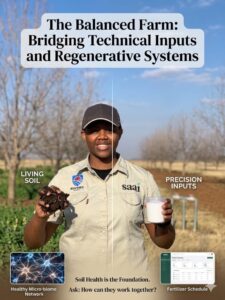
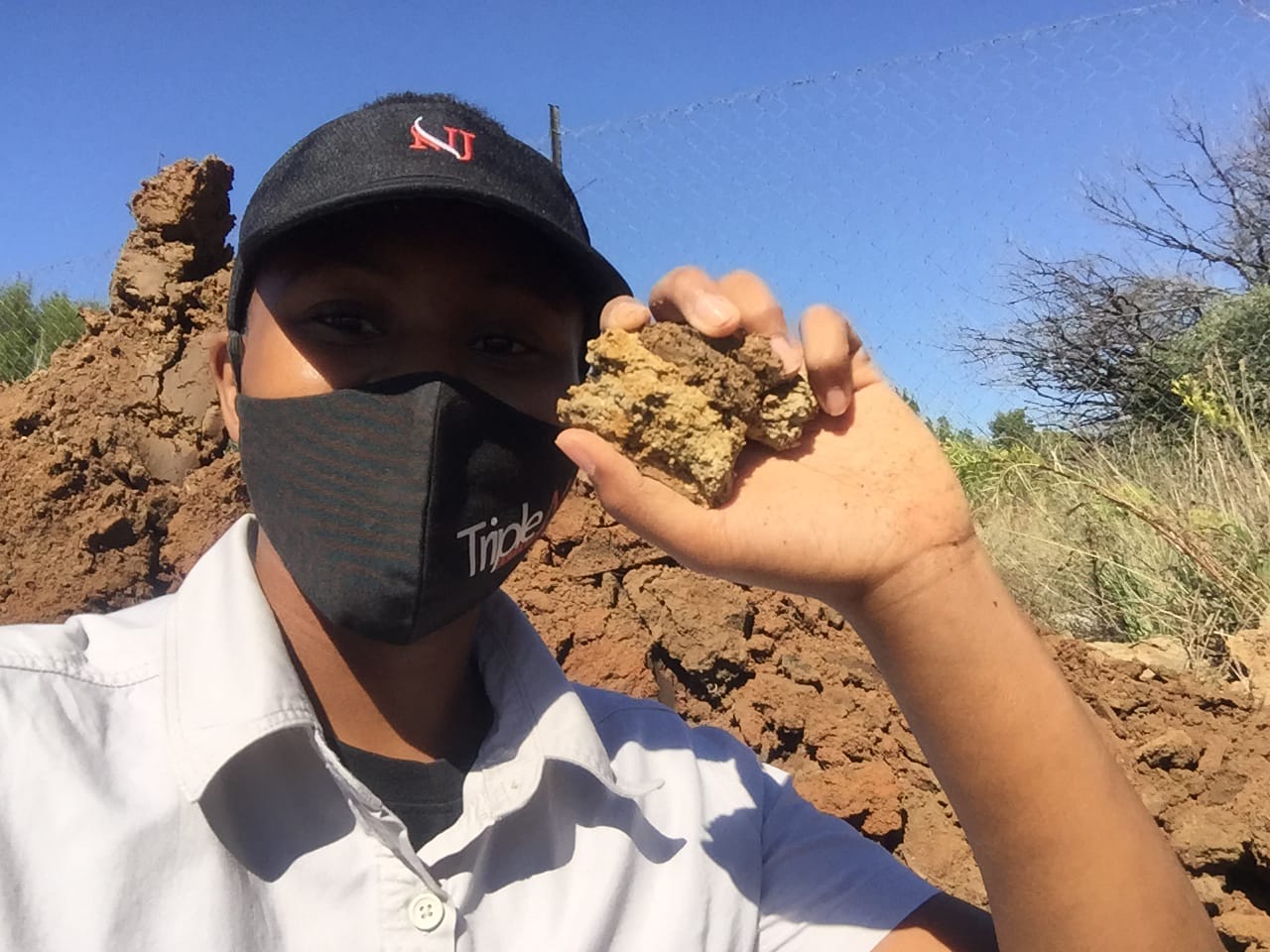
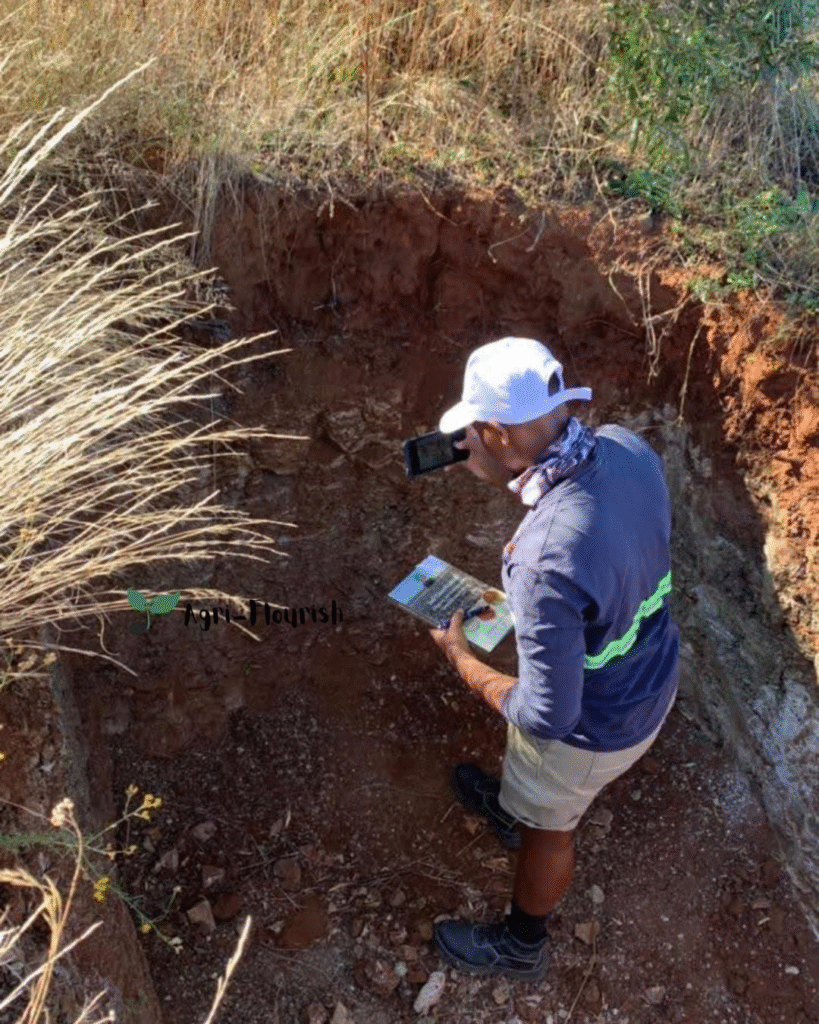
Healthy soil is far more than just dirt. It is a complex system teeming with fungi, bacteria, and tiny insects that naturally nourish plants. When this ecosystem deteriorates, crops become more vulnerable to stress, pests, and nutrient deficiencies.
Soil degradation costs South Africa billions each year. The solution does not always lie in applying more inputs but in adopting smarter, regenerative practices.
The Solution: Working with Nature, Not Against It
Biological farming focuses on restoring soil health by reintroducing life into the system. Common practices include:
• Applying compost and planting cover crops to feed the soil organically.
• Using microbial inoculants and compost teas to enhance nutrient cycling.
• Practicing minimal tillage and crop rotation to maintain soil structure and biodiversity.
These practices improve water retention, increase yields, and reduce dependency on synthetic fertilizers. In a world facing unpredictable weather and rising input costs, biological farming offers one of the most practical routes to climate resilience.
Soil that retains moisture during droughts or recovers quickly after heavy rainfall demonstrates the power of working with biological systems.
The Future: Soil Health Is Job Security
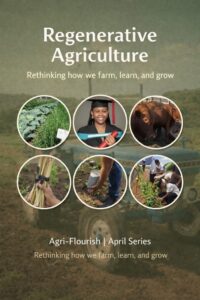
For upcoming agricultural graduates, understanding biological farming is not just an added skill; it is essential for the future of the sector. Career opportunities abound in areas such as soil consultancy, regenerative project management, and biostimulant development.
Young professionals who view soil as a living foundation for food security, rather than simply “dirt,” will be the innovators driving the next generation of sustainable agriculture. As one researcher aptly stated:
“We cannot grow healthy food on unhealthy soil.”
Building resilient soils means building resilient farms and, ultimately, resilient communities.
Final Thoughts
South Africa’s agricultural future depends on how we care for the ground beneath our feet. The next time you see a thriving field, remember that it is not only the plants that are growing but the life below the surface that sustains them.
Whether you are a student, a young farmer, or simply curious about sustainable farming, start asking: What is living in my soil? The answer may very well shape the future of food.