What does it truly mean to farm vegetables every day? How far does classroom knowledge
prepare one for the unpredictable rhythm of the land? These questions echoed in my mind the
moment I transitioned from student to farm supervisor, and the answers continue to evolve with
every season.
From Soil Textbooks to Real Fields
In university, I absorbed lessons about nutrient cycles, soil pH, crop rotation, pest thresholds,
and fertiliser regimes. Everything appeared precise and methodical. Yet when I stepped onto an
actual field, I quickly learned that soil is not a static surface. It is a living, breathing organism that
reacts differently each day. One plot might drain too fast, another might hold water for too long.
The weather changes overnight and alters everything you planned. Farming demands intellectual
agility. It is not about memorising steps but about interpreting and adapting to every subtle shift
in the environment.
What Crop Management Guides Rarely Tell You
If you have ever searched how to start vegetable farming, how to increase crop yield, or best
practices for vegetable production, you already know how neatly the steps are listed: prepare,
plant, irrigate, fertilise, and harvest. In practice, farming is far more dynamic. Observation
becomes your greatest tool. Pest scouting is a daily habit, not an occasional activity. Irrigation
schedules change depending on rainfall and temperature. Fertiliser plans are adjusted after
every soil analysis. Even a healthy crop can show nutrient deficiencies when climate conditions
shift unexpectedly. The field forces you to think critically and make data-driven decisions while
staying intuitive.
The Human Side of Farming
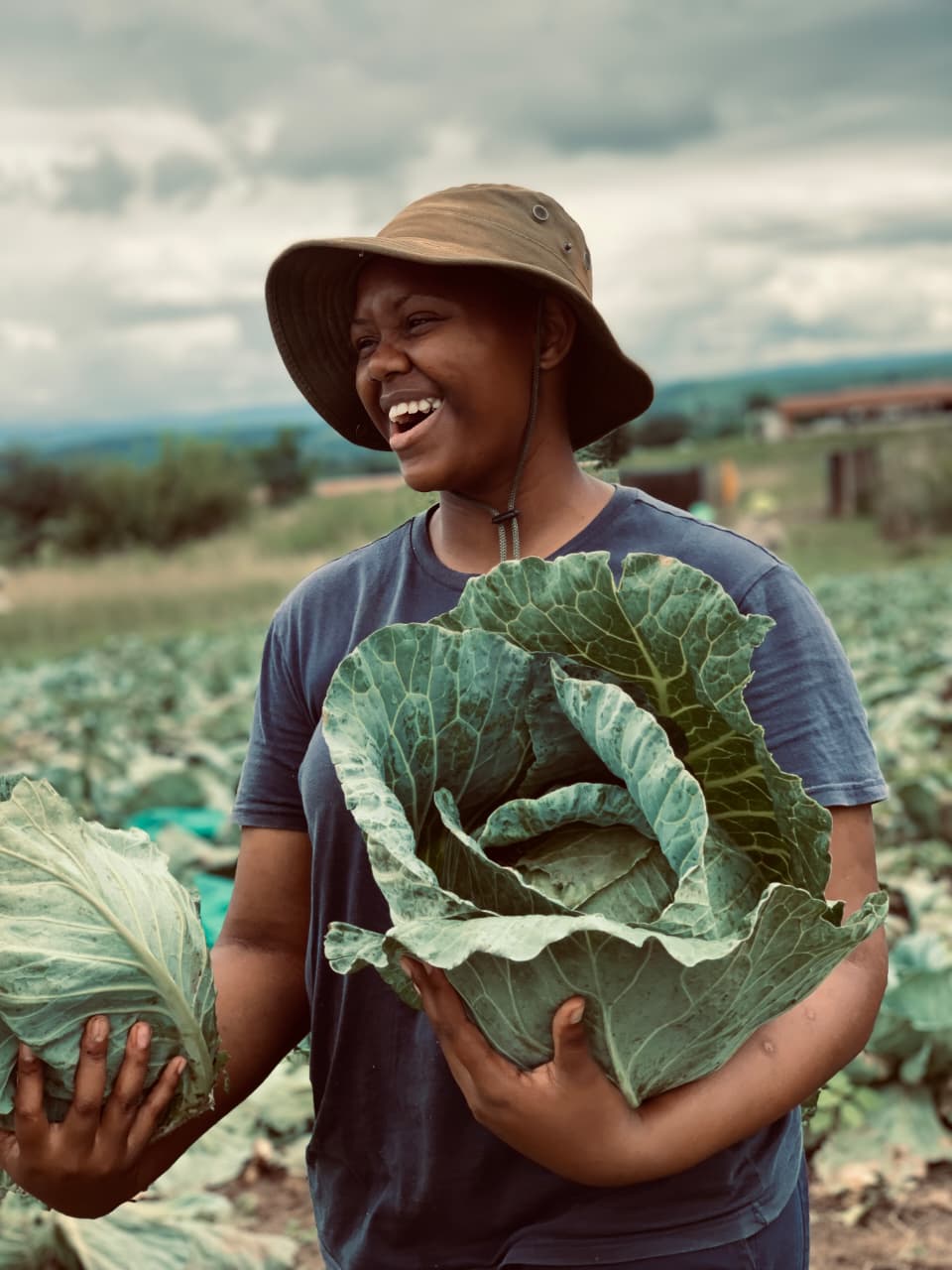
Agriculture is not just about plants. It is about people. As a young woman managing a vegetable
team that includes older, more experienced workers, I have learned that leadership on a farm
requires emotional intelligence, patience, and humility. How do you lead someone who has
farmed longer than you have been alive? You listen. You include their insights in your decisions.
You balance scientific understanding with practical wisdom. True leadership is not about control
but collaboration. There are days when your decisions are questioned or when your energy feels
stretched thin. Those are the days when communication and consistency matter most. Respect is
not given automatically; it is built through fairness and shared goals. Farming teaches that while
crops respond to nutrients, people respond to trust.
The Hard, the Good, and the Rewarding
Farming is not romantic work. It is demanding, unpredictable, and often exhausting. There are
early mornings, long hours under the sun, and moments when pests or rain undo weeks of
effort. Yet, the rewards are deeply fulfilling. Watching seedlings evolve into strong, vibrant plants
fills you with pride. Harvest days remind you that every challenge contributed to a tangible
outcome. Each crop tells a story of persistence, discipline, and growth. No textbook can recreate
the satisfaction of seeing healthy produce leaving the field for market.
Bridging the Gap Between Class and Practice
The classroom gives structure, but the field teaches wisdom. Theories offer principles, but
practice refines judgment. Record your experiences, observe carefully, and allow every mistake
to become a lesson. Farming is both a science and an art, and mastery comes from patience,
curiosity, and continuous learning.
In my next AgriFlourish article, I will be interviewing Sphamandla Masuku, Farm Manager at
Shallow Drift Farm. He will share his insights on market access, explaining how farmers can
connect with reliable buyers, understand pricing systems, and build sustainable agricultural value
chains.
I truly enjoyed reading this. I can’t wait for next read from you.
This article perfectly gives a picture of the experience of moving from reading a book to being hands on in the field with other people.