When I talk about food price trends in South Africa 2026, I am not speaking from statistics alone, I am speaking from lived reality. I see it in grocery stores, in local markets, and in conversations with farmers who are trying to survive under increasing pressure. While inflation is said to be slowing, food prices continue to rise, and for many South Africans, that reality is impossible to ignore.
What concerns me most is that why food prices are rising in South Africa is often discussed in economic terms, but rarely in human terms. Behind every price increase is a farmer absorbing higher costs and a household forced to make difficult choices. In this article, I reflect on how inflation is affecting farmers in South Africa, how it is reshaping household food security, and why our food system urgently needs attention.
Food Inflation and Everyday Life in 2026
In 2026, food inflation and everyday life remain tightly linked. Food takes up a significant portion of household income, especially for low-income families. Even when overall inflation appears stable, South Africa food inflation continues to erode purchasing power.
From what I observe, the cost of food in South Africa is rising faster than wages, social grants, and employment opportunities. This means households are not just spending more, they are sacrificing nutrition, dignity, and stability. Food affordability is no longer just an economic issue; it is a social justice issue.
Why Food Prices Are Rising in South Africa
The Real Cost of Producing Food
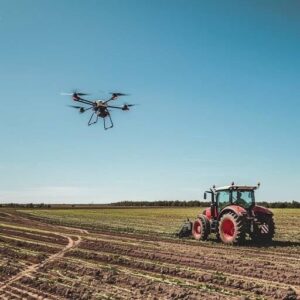
One reality that is often overlooked is the real cost of producing food. Farmers are facing rising agricultural input costs in South Africa, including fertilisers, animal feed, fuel, and equipment. These costs keep increasing, while selling prices do not always follow at the same pace.
From my perspective, it is unfair to expect farmers to keep food affordable while absorbing these rising costs alone. When production becomes unsustainable, food prices rise , not out of greed, but out of necessity.
Energy Costs and an Unbalanced System
Electricity and fuel costs in farming remain one of the biggest threats to affordable food. Irrigation, storage, processing, and transport all depend on energy. While alternative energy solutions are encouraged, they are often inaccessible to small-scale and emerging farmers.
This creates deeper food production challenges in South Africa, where only well-resourced producers can adapt, while smaller farmers fall behind. A food system that excludes small farmers cannot be sustainable.
Transport, Distance, and Inequality
Transport costs are another silent driver of food inflation. Fuel price volatility affects every step of the food value chain. Rural farmers, who are already marginalised, face higher costs simply because of where they are located.
This is why supporting local farmers in South Africa matters. Strengthening local food systems can reduce transport costs and keep food prices more stable, but this requires deliberate investment and policy support.
Climate Pressure and Animal Health Risks
Climate uncertainty and animal disease outbreaks continue to disrupt food production. From my observation, these challenges are becoming more frequent and severe, increasing the risk faced by farmers.
These disruptions directly worsen food security challenges in South Africa, especially for communities that already struggle with access to nutritious food.
How Inflation Is Affecting Farmers in South Africa
Despite rising food prices, many farmers are not thriving. In fact, how inflation is affecting farmers in South Africa is deeply concerning. Profit margins are shrinking, debt levels are rising, and mental and financial stress are becoming normalised within the farming community.
Small-scale farmers and food inflation is a particularly painful reality. Without access to affordable finance, insurance, or reliable markets, emerging farmers are expected to compete in an unequal system. If small farmers disappear, food prices will rise even further, and resilience will be lost.
What Rising Food Prices Mean for Households
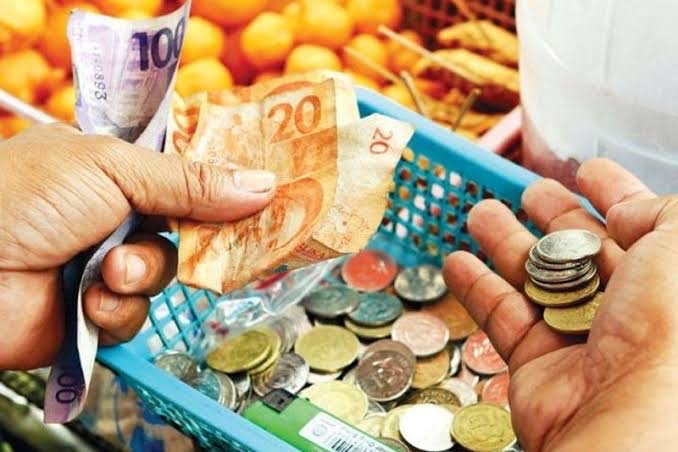
As someone who also buys food every month, I clearly see how rising food prices affect households. Families are buying less meat, fewer fresh vegetables, and cheaper starch-heavy options.
Food affordability in South Africa is declining, and this has long-term consequences for health, child development, and productivity. When people cannot afford nutritious food, the entire country pays the price.
A Call for Change in South Africa’s Food System
From my perspective, food price trends in South Africa 2026 reveal a system that is under strain and in need of reform. We cannot continue to talk about food inflation without addressing its root causes.
South Africa needs:
- Stronger support for small-scale and emerging farmers
- Investment in affordable energy and infrastructure
- Policies that prioritise food security, not just profits
- Recognition of food as a basic human right
If farmers are supported, food becomes more affordable. If farmers are ignored, food prices will continue to rise.
Conclusion
In my view, food price trends in South Africa 2026 are not just about inflation, they are about inequality, sustainability, and responsibility. While inflation may be slowing on paper, the lived experience of farmers and consumers tells a different story.
How inflation is affecting farmers in South Africa is directly linked to how households experience hunger and food insecurity. Addressing food prices requires courage, policy reform, and collective action. Affordable food is not a privilege, it is a necessity.
At Agri-Flourish, I believe that telling these stories matters. Because food systems do not change on their own, people change them.