
Every meal begins long before it reaches the plate. It starts with a seed, the soil, and the
hands that nurture it. Crop production may sound like a technical term, but in reality, it is the
heart of food security. Without it, there is no bread, no maize meal, no vegetables on our
tables. In South Africa, where agriculture plays such a big role in livelihoods and the
economy, the way we produce crops today will shape the future of our families and
communities.
The Bigger Picture: Why Crop Production Matters
Crop production underpins food security in the simplest but most powerful way: no crops, no
food. South Africa is a country of extremes, with rich agricultural land on one hand, and
serious challenges on the other.
Some of the major challenges include:
Unpredictable climate: rainfall patterns are changing, with frequent droughts in provinces
like the Free State and Eastern Cape, as well as occasional floods.
Pests and diseases: staple crops like maize, wheat, and vegetables are under constant
threat.
Rising input costs: fertilizers, seeds, and chemicals are more expensive, making it harder
for farmers to remain profitable.
When row crops like maize or soya are delayed by drought, or vegetables such as
cabbages, green beans, and butternuts are lost to pests:
● Local markets feel the impact
● Shop shelves may be emptier
● Households face higher prices
Crop production is not just about farming; it is about stabilizing communities and keeping the
nation nourished.
My Perspective: Learning From the Field
Working in agriculture has taught me that crop production is far more than planting seeds
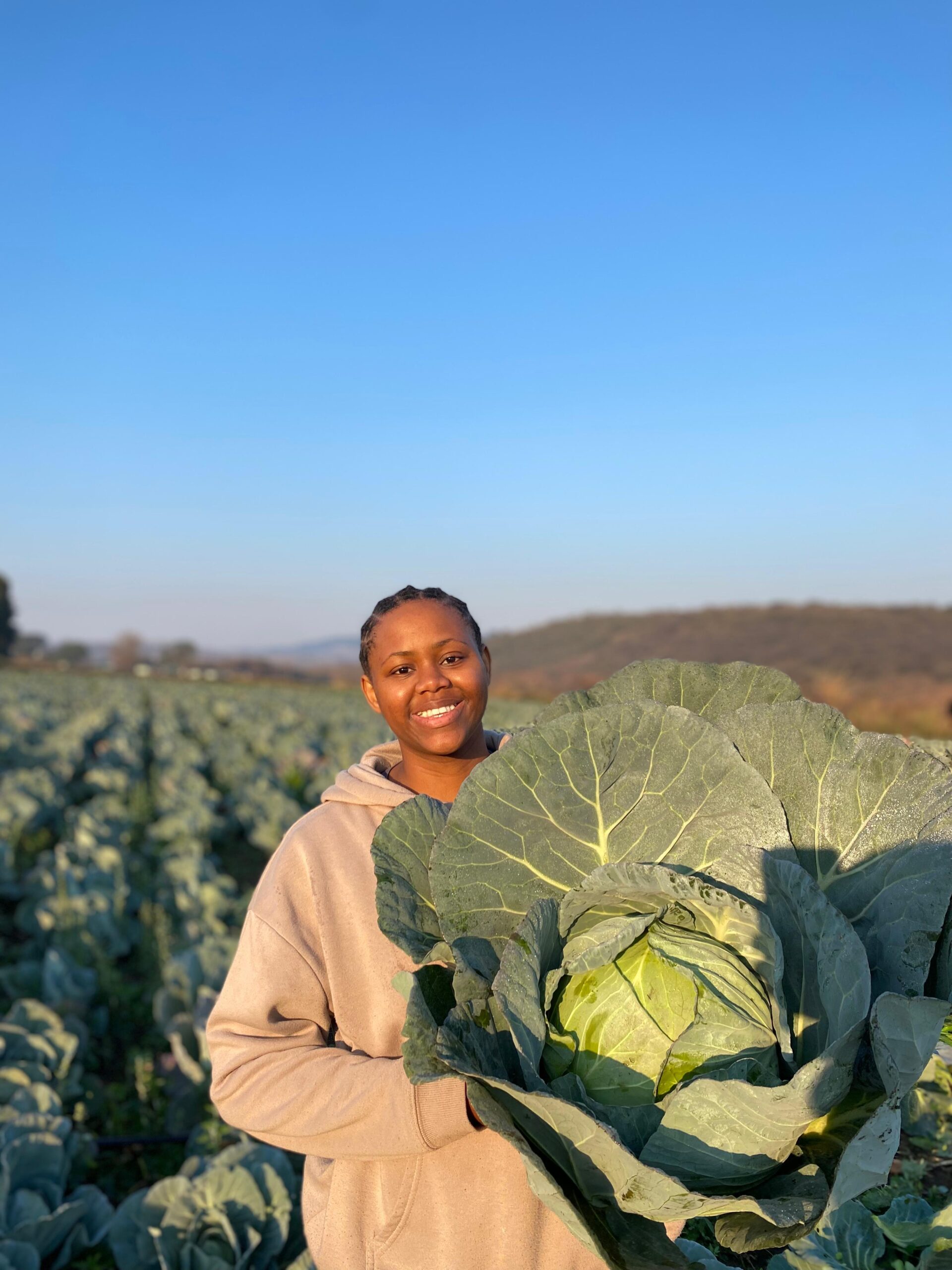
and waiting for harvest. In my own experience managing small fields of cabbages, green
beans, and butternuts, I have seen how much detail goes into every step, from preparing the
soil, to managing irrigation, to controlling pests before they get out of hand.
What excites me about crop production is the balance it requires. You are constantly
measuring, planning, and adapting to change. Some weeks involve reacting to unexpected
weather, while others focus on ensuring your produce meets market standards. There is a
rhythm to it, but also a challenge. Each crop teaches patience, and each season teaches
resilience.
For me, crop production is also about possibility. Every healthy row of vegetables is not just
produce, it is potential income, food for a family, and a step toward reducing hunger. It has
shown me that agriculture is not stuck in the past, it is a living, changing field that can
answer some of the biggest questions of our time.
What Needs to Change for a Flourishing Future
To keep feeding South Africa in the future, we need to rethink how we approach crop
production. Some key priorities include:
Soil care: Healthy soil is the foundation of healthy crops. Neglecting it leads to poor yields,
higher vulnerability to pests and diseases, and reduced nutrient content in produce. Farmers
can maintain fertile soil by regularly testing for nutrients, using compost and organic
fertilizers, rotating crops to prevent depletion, and avoiding over-tilling which damages soil
structure. Field preparation, from ploughing to ensuring the right balance of nutrients, is one
of the most important steps in producing high-quality, market-ready crops.
Sustainable practices: Protecting the environment while boosting productivity is essential
for long-term success. Traditional methods may work short-term but degrade land over time,
making future production harder and more costly. Farmers can implement crop rotation,
regenerative farming techniques, and water-efficient irrigation systems. Hydroponics can
also be used to carefully manage soil and water while producing consistent yields.
Support for farmers: Many farmers, especially young ones, struggle to access the
knowledge, technology, or funding needed to maintain profitable, sustainable production.
Mentorship programs, bursaries, access to affordable technology, and farmer networks allow
them to gain guidance, share best practices, and innovate. Community engagement fosters
collaboration and continuous learning.
Collaboration: Agriculture is influenced by policies, markets, and consumer choices, so
cooperation is key. Partnerships between government and farmers, incentives for private
sector investment, and consumer education on supporting local and sustainable produce all
help strengthen the system. When all parties work together, crop production becomes more
profitable, resilient, and beneficial for communities.
Closing Call to Action
The way we grow crops today will determine the meals of tomorrow. Crop production is not
just an industry, it is a lifeline for families, communities, and our entire nation. It is time to
think beyond short-term yields and build systems that can carry us through future
challenges.
At Agri-Flourish, our journey is about exploring smarter, greener, and more resilient ways to
grow. Agriculture should be inclusive, forward-thinking, and rooted in care for both the soil
and the farmer.
The fields are calling for fresh ideas, strong hands, and bold minds. Will you be part of the
generation that helps agriculture flourish?

Pingback: Celebrating One Month Of AgriFlourish: Growth, Learning, And Community