
South Africa is a paradox. Our fields are full of maize, cabbages, citrus, and a variety of other crops, yet millions of households struggle to put food on the table. How is it possible that a country producing enough food to feed its own population and export to global markets still experiences significant hunger?
This is not a story of production failure. The problem lies deeper, in the way our food is distributed, priced, and accessed. As a horticultural supervisor, I see this on farms, in markets, and in communities. It is time to speak honestly about what is really happening.
Food Abundance versus Household Hunger
South Africa is a major agricultural producer and exporter. Our citrus, apples, avocados, maize, and nuts feed millions abroad. Yet reports from Statistics South Africa indicate that almost 20% of households are moderately to severely food insecure.
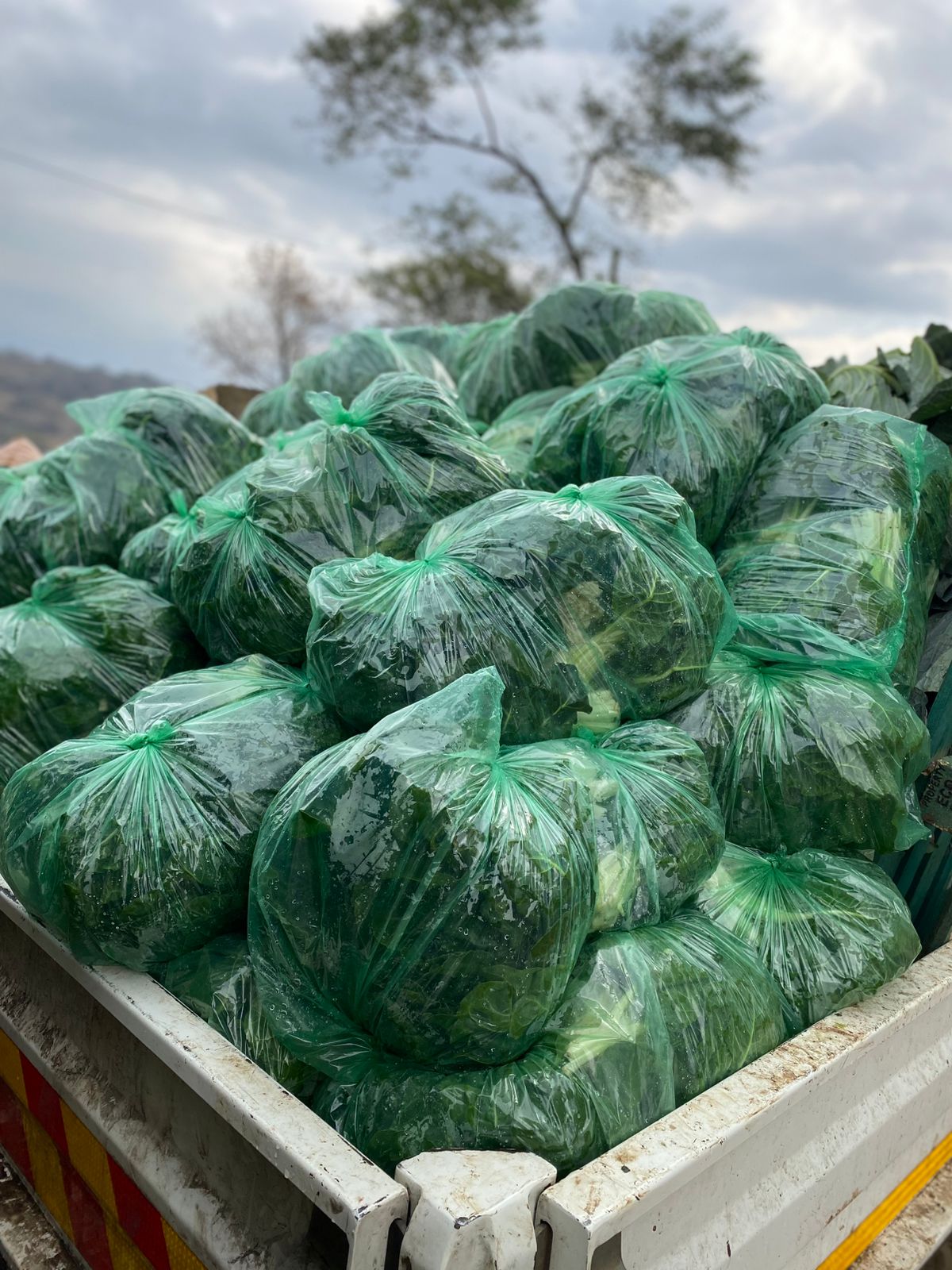
Food insecurity here is not due to a shortage of food. It is caused by inequality, weak distribution channels, and economic limitations. In simple terms, food exists, but not everyone can access or afford it. One example illustrates this perfectly. In September and October, cabbage prices at Port Natal Market dropped to just R1.50 per head. Many farmers had planted cabbage at the same time, creating an oversupply that far exceeded local demand. The issue was not production; it was the imbalance between supply and access. This shows that South Africa’s agricultural system produces enough food, but the system connecting farms to people often fails.
Export Markets: Farmers Are Not the Villains
Much of South Africa’s produce goes to export markets. Farmers choose these markets because they provide better returns, support investment, and ensure farm sustainability. Exporting food is a legitimate business decision and does not equate to neglecting local communities.
However, when local food access is limited and prices spike, people look for someone to blame. Too often, it is the farmers. The reality is that farmers are part of a larger system. Government policies, market dynamics, infrastructure gaps, and economic inequality all play a role in determining who eats and who goes hungry.
Understanding South Africa Food Insecurity
Several factors drive food insecurity in South Africa.
Access and Affordability: Even when food is physically available, many households cannot afford it. Rural areas and informal settlements often have fewer retail options, which drives prices up and limits accessibility.
Structural Inequality: South Africa has one of the highest Gini coefficients in the world. Wealth disparities mean that many households are financially vulnerable, spending over half their income on food.
Market Imbalances: Oversupply of certain crops, like the September–October cabbage example, can depress prices and hurt both farmers and consumers. Other crops may be exported for higher profits, leaving local markets with limited supply of affordable options.
Policy and Infrastructure Gaps: Smallholder farmers and rural communities often lack access to credit, storage, and distribution networks. This reinforces the cycle of uneven food access.
My Perspective as a Horticultural Supervisor
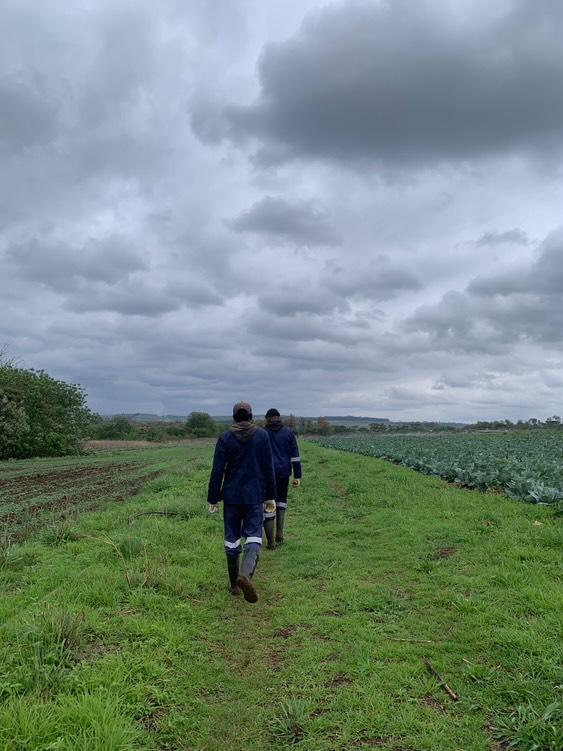
I see firsthand that farmers are not the root of the problem. They are running businesses, often under pressure to remain profitable and competitive. The real issue is systemic. It is about how our economy, policies, and food systems are structured. For South Africa to truly reduce hunger, the conversation must go beyond blaming farmers. It must consider equitable distribution, stronger local markets, community-based solutions, and support for emerging farmers. We need young professionals and agricultural graduates to engage in these discussions and become part of the solution.
Questions We Must Ask
To start real change, we need to ask bold questions.
- Should export-oriented farms have obligations to supply local markets?
- How can value chains be redesigned so that affordable, nutritious food reaches every household?
- What role do smallholder and emerging farmers play in ensuring food security?
- Are government policies supporting equitable food access, or only focusing on production and exports?
- How can agricultural professionals influence the system for a fairer distribution of resources and opportunities?
Conclusion
South Africa has the capacity to feed its own people, yet hunger persists. It is time to shift the conversation from “not enough food” to “how do we share food fairly?”. Farmers are not the villains, and exporting food is not a crime. The responsibility is shared among policymakers, market systems, and society as a whole. Let us start talking about real solutions, equitable access, and food justice.


Hello
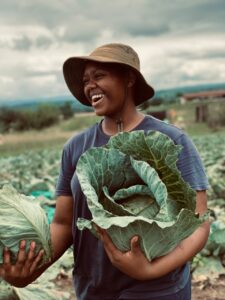
I would like to apply for the Agri_Flourish program. I am involved in agriculture and agribusiness, with hands-on experience in farming and a strong interest in growth, innovation, and sustainability within the agricultural sector.
I believe this opportunity will help me develop my skills and contribute meaningfully to Agri_Flourish.
Kind regards,
Angela Khanyisile Michelle