
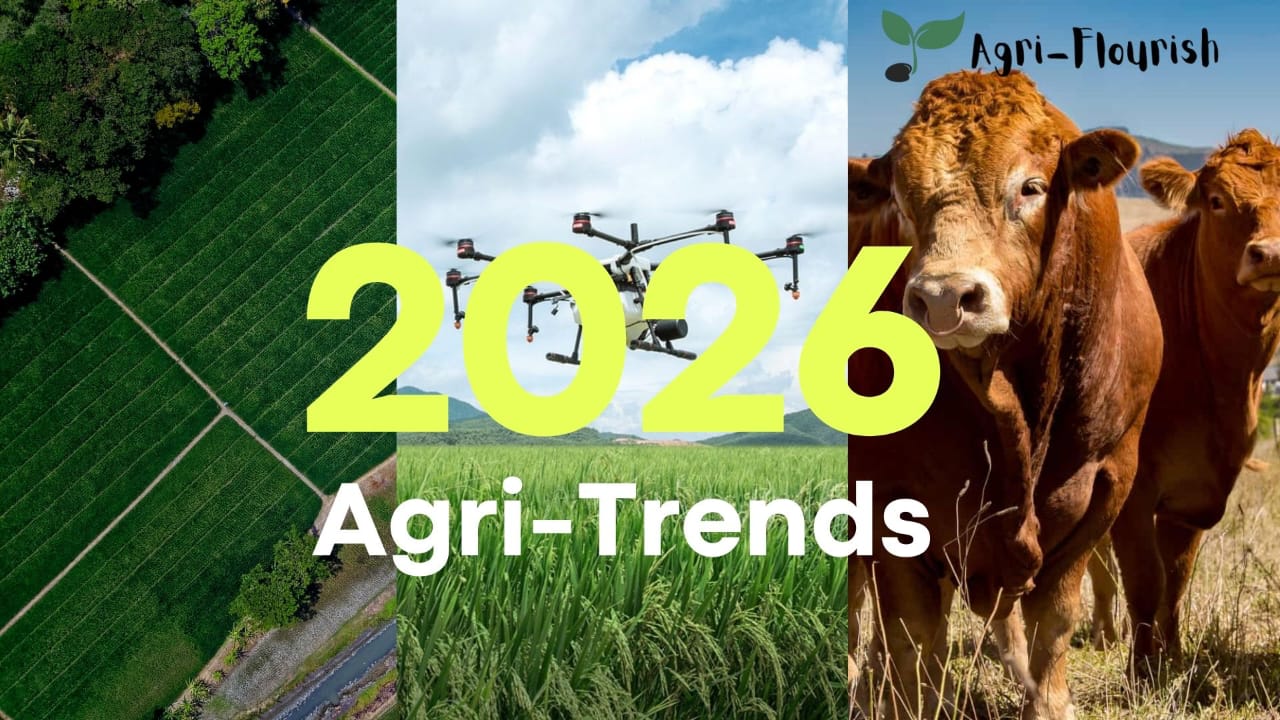
As 2026 approaches, South Africa’s agricultural sector continues to evolve under the influence of climate change, technology, shifting market demands, and new regulations. Farmers, both small-scale and commercial, need to stay informed to remain resilient, profitable, and sustainable. Understanding the key trends shaping South African Agriculture will be crucial for success.
Here’s a practical guide to the top trends and challenges farmers should look out for in 2026, and how they can prepare.
By examining the key trends shaping South African Agriculture, farmers can better navigate the upcoming changes.
1. Precision Agriculture & Drones Will Become Even More Mainstream
The adoption of smart farming tools is accelerating. In 2026, expect even more farmers to use:
- Drone spraying for pesticides and foliar feeds
- Crop scouting drones with multispectral cameras
- Mapping and data-driven decision tools
- On-farm sensors for soil and water
Early adopters are already seeing benefits like reduced chemical use, higher accuracy, and better crop health. With more affordable models and improved training options, agri-tech will no longer be optional, it will be essential.
2. Climate Variability: Hotter Summers & Unpredictable Rainfall
Climate change remains a major driver in South African agriculture. In 2026, farmers should prepare for key trends shaping South African Agriculture.
- Intense heatwaves
- Short but heavy rainfall events
- Extended dry spells
- Increased risk of pests like fall armyworm
This means climate-smart strategies are crucial:
- Choosing drought-tolerant varieties
- Mulching and soil-cover practices
- Using weather apps and early warning tools
- Efficient irrigation scheduling
Resilient farms will be those that plan ahead.
3. Input Costs: Still High, but Some Relief Expected
Although global food prices are easing, South African farmers will still face:
- High fertilizer prices
- Rising fuel and transport costs
- Increased agrochemical costs
However, farmers can soften the financial pressure by:
- Bulk-ordering inputs early
- Exploring biological alternatives
- Using precision tools to reduce waste
- Comparing suppliers for competitive pricing.
4. Soil Health Comes Into the Spotlight
“Healthy soil, healthy farm” will be the motto of 2026.
Expect growth in:
- Soil biology boosters
- Cover cropping
- Minimum till systems
- New soil-testing technologies
Emerging innovations, like seismic-wave soil analysis (also called “soilsmology”) offer non-destructive methods to assess soil structure. While still new, they show where global soil research is heading.
5. Livestock Farmers Must Strengthen Biosecurity
Ongoing disease threats like Foot-and-Mouth Disease (FMD) continue to affect livestock markets. In 2026, farmers should:
- Tighten farm access control
- Follow vaccination schedules strictly
- Avoid unnecessary animal movement
- Stay updated with government veterinary alerts
Good biosecurity protects the whole value chain.
6. Export Growth Opportunities Especially for Fruit Farmers
South Africa’s export sector is expected to expand further in 2026. Market opportunities are growing for:
- Citrus
- Berries
- Table grapes
- Macadamias
- Avocados
Farmers looking to export should pay attention to:
- GLOBALG.A.P requirements
- Cold chain regulations
- Market access rules in Europe and Asia
7. Policy Changes, Minimum Wage Adjustments & Regulations
Farmers should keep an eye on:
- Annual minimum wage increases
- Agricultural safety regulations
- New water-use licensing rules
- Government grant or financing programmes
- Land reform support initiatives
Planning ahead helps farms avoid compliance issues.
8. More Youth & Tech Talent Entering Agriculture
In 2026, more young people will enter agriculture through:
- Drone pilot programmes
- Agri-tech internships
- Sustainability and climate projects
- Digital farming initiatives
Farmers should see this as an opportunity to:
- Bring digital skills onto their farms
- Improve record-keeping and data use
- Modernise operations
Youth are becoming an essential asset to the sector.
9. Rising Demand for Regenerative & Organic Produce
Consumers are becoming more conscious of:
- Chemical-free food
- Sustainable farming
- Local, traceable produce
Farmers adopting regenerative practices may benefit from premium pricing, new markets, and better soil health.
10. Water Scarcity & Irrigation Efficiency Will Be Critical
Water challenges remain one of the biggest risks.
Farmers should prepare for:
- Tighter water regulations
- Potential tariff increases
- Greater reliance on moisture sensors
- Smart irrigation technologies
Efficient water use will separate thriving farms from struggling ones.
11. More Farmer–Tech Partnerships
Companies in agri-tech, drones, sensors, and data analytics are increasingly partnering with farmers. Expect more opportunities for:
- On-farm demos
- Training sessions
- Pilot projects
- Discounted trials
These partnerships help farmers modernise without taking on all the upfront risk.
Conclusion: 2026 Will Reward Prepared, Tech-Savvy, and Sustainable Farmers
The agricultural landscape is changing faster than ever. Farmers who embrace:
Technology
climate-smart practices
soil health
efficient resource use
youth involvement
market opportunities
…will be better positioned for success, no matter the challenges.
2026 is not a year to fear; it is a year to innovate, adapt, and grow.

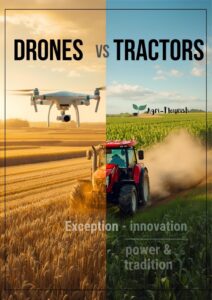
With climate change causing unpredictable weather patterns, it’s more important than ever for farmers to embrace tech like drones and sensors. These tools not only improve productivity but also help farmers conserve resources in the face of uncertainty.