
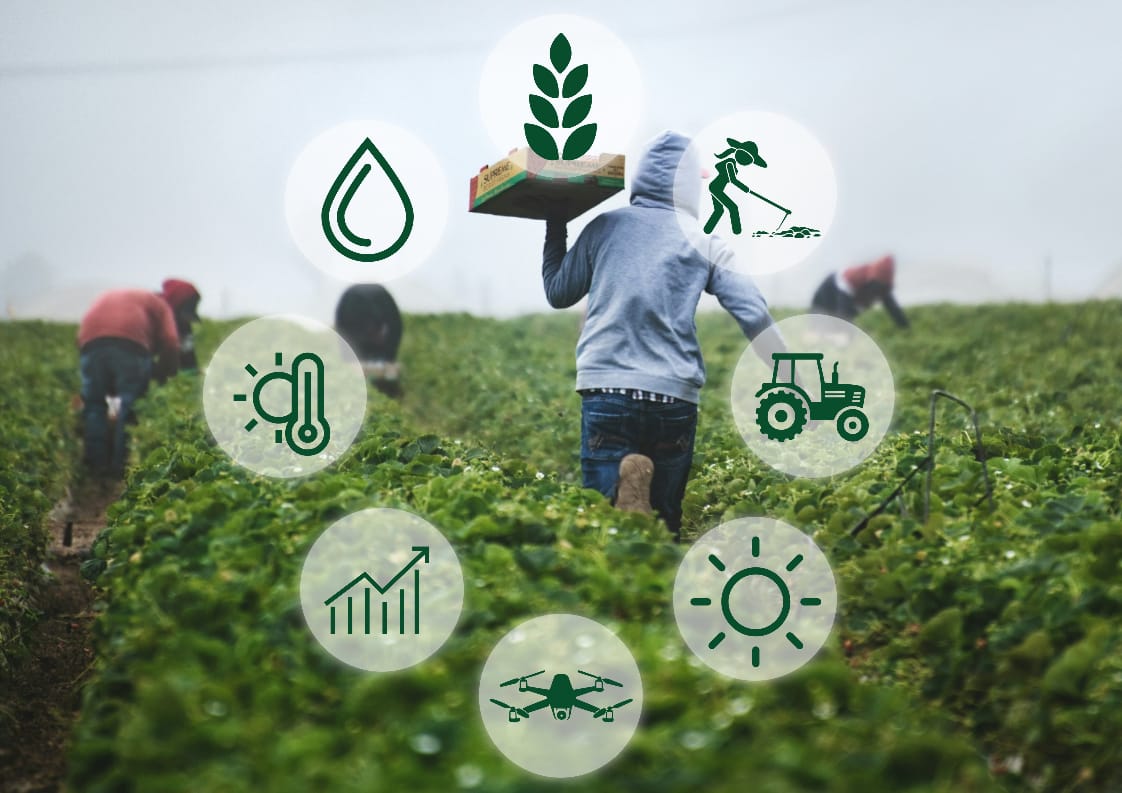
In my previous article, we spoke about why sustainable agriculture is no longer just a nice-to-have. The takeaway was that sustainability is not a trend it’s the way forward for future generations and for building profitable sustainable agribusiness.
Now that we’ve established that, let’s get into the real question: what actually makes an agribusiness sustainable in 2025?
Just to recap: sustainable agriculture is a holistic approach that ensures every farming practice not only protects the environment for the future but also shields the business itself from going broke. Think about it this way: no healthy soil, crops, animals, or even staff means no profits coming in. Sustainability and profitability are now more connected than ever, especially in the realm of sustainable agribusiness.
Before we dive in, here are some interesting (or worrying, depending on how you see it) facts:
- South Africa will need to produce 50% more food by 2050.
- South Africa is currently the 12th biggest emitter of greenhouse gases in the world.
If that doesn’t show how important sustainable agribusiness is for food security and for reducing our carbon footprint, andiyazi namu (translation: “I also don’t know”).
So, what makes an agribusiness sustainable in 2025? Let’s break it down.
1. Production and Environmental Stewardship
Sustainability starts on the ground, literally! A sustainable agribusiness manages its natural resources responsibly. That means using water wisely through practices like drip irrigation, recycling, or rainwater harvesting. It also means minimizing chemical inputs while focusing on soil health , things like crop rotation, cover crops, and boosting organic matter go a long way.
For livestock, sustainability is about responsible grazing, proper manure management, and ensuring good animal welfare. At the same time, modern agribusinesses are paying attention to greenhouse gas emissions reducing fuel use, improving energy efficiency, and even turning to renewable energy. Protecting biodiversity also plays a role, from creating pollinator-friendly spaces to conserving natural habitats.
2. Human Resources and Community
An agribusiness isn’t just about crops and animals, it’s about people too. Sustainability here means paying fair wages and complying with labour regulations, including the National Minimum Wage. It also means creating opportunities for staff to learn and grow, especially in sustainable agriculture practices.
Health and safety standards should always be non-negotiable, and businesses that embrace gender equality, youth inclusion, and diversity are stronger in the long run. Beyond the farm gates, sustainable agribusinesses give back and engage with their local communities, building relationships that last.
3. Financial Sustainability and Risk Management
Let’s be honest, no matter how green your practices are, if your business isn’t financially sound, it won’t last. A sustainable agribusiness keeps close track of costs, revenue, and profitability. It also invests in technologies that save money and reduce waste.
Risk management is another key factor having insurance, diversification strategies, and contingency plans makes businesses more resilient. Transparency and fairness with suppliers and buyers also build trust. Importantly, part of the profits should always be reinvested back into long-term sustainability, whether that’s soil health, water systems, infrastructure, or people.
4. Innovation and Knowledge Sharing
Finally, sustainability in 2025 is about embracing innovation. More agribusinesses are adopting new technologies such as drones, precision agriculture, and digital tools are becoming part of everyday farming. Collaboration is also key: working with other farmers, cooperatives, and research institutions helps businesses grow and adapt faster.
Transparency matters too as consumers want to know where their food comes from, and agribusinesses that provide traceability stand out. Measuring and reporting progress on sustainability goals keeps everyone accountable. And perhaps most importantly, a culture of knowledge sharing where employees and management exchange ideas, encourages continuous improvement.
Wrapping It Up
Now, I know this might sound like a lot (which it is). And the truth is, no agribusiness has all of these boxes ticked at once. Businesses are different, with different resources like finances, machinery, or even staff numbers. What matters is taking an honest look at where you are right now and identifying where you can improve.
Start small. Pick one area whether it’s water management, fair labour practices, or adopting one new technology and focus on that. Over time, the small steps build up, and that’s how agribusinesses become sustainable, profitable, and resilient.
Sustainability isn’t about perfection it’s about progress. And in 2025 (heading to 2026), that progress will define which agribusinesses thrive and which ones fall behind.
Download the Free Sustainable Agribusiness Scorecard here and start your journey to sustainability today.
Fantastic article, Sikhu! I learned a lot about agribusiness, and it’s inspiring to see young people getting involved in this field. As a young person myself, I couldn’t help but reflect on the evolution of agriculture over time.
Traditionally, agriculture focused on feeding local communities. Over the years, it expanded to meet the needs of entire nations, eventually leading to international trade where agricultural products began to be classified as commodities. This transformation gave rise to what we now refer to as agribusiness.
In today’s world, capitalism drives many aspects of our lives, and as a result, basic food products are becoming increasingly unaffordable for many South Africans and Africans in general. As you pointed out, by 2050, the demand for food is expected to double, making sustainability essential. The pressing questions are: How can we ensure food security for those who are already struggling to make ends meet? How can agribusiness models help lower food prices? And, most importantly, how can we prioritize domestically produced goods to feed local populations before looking to external markets?
Your article has sparked vital reflections, and I believe these are the critical questions that young people like us must continue to engage with. For agribusiness to truly offer solutions for sustainability, profitability, equity, and accessibility in our societies, we need to address these challenges head-on.
Hey Zweli! Thank you so much for the comment. I completely agree with you. Ensuring food security and making locally produced food both accessible and affordable is one of the biggest challenges our agribusiness sector faces. South Africa does produce enough food for everyone, but there are systemic issues that prevent fair access. Addressing these challenges will require innovation, collaboration, and a focus on sustainability and equity which is why working together across the sector is so important.