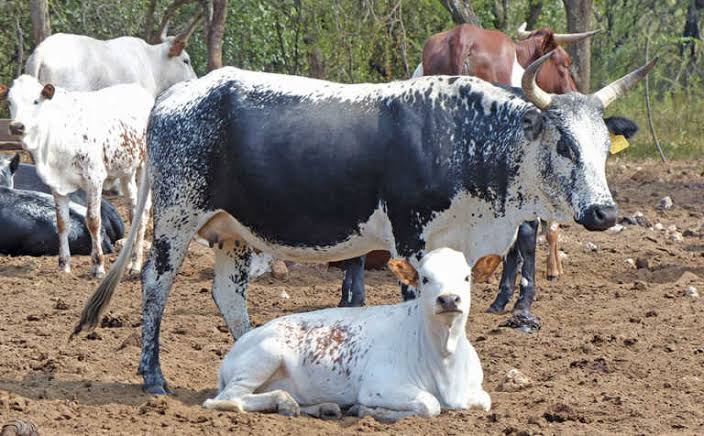
Livestock farming in South Africa is more than food production, it is a way of life, a cultural tradition, and the backbone of rural economies. From the rolling Karoo plains to the lush grasslands of KwaZulu-Natal, farmers are not only raising cattle, sheep, and goats, but also reshaping the industry through innovation, resilience, and sustainable practices. Today, the livestock sector makes up nearly half of South Africa’s agricultural output which is a reminder of just how important it is to the country’s economy and food security.
The Backbone of South African Agriculture
South Africa is home to approximately 12.2 million cattle, 28.8 million sheep, and 5.2 million goats. These animals do far more than fill supermarket shelves: they support livelihoods in rural communities, create jobs, and sustain a thriving export economy. In fact, South Africa is one of the top global producers of wool, supplying over 80% of Africa’s wool exports.
Embracing Modern Technology
From smart collars that track herd health to drones that monitor grazing patterns, technology is transforming livestock farming. Many farmers now use AI-powered platforms to predict disease outbreaks and apps like FarmRanger to get real-time alerts on cattle movement which is a big step forward in fighting stock theft and improving efficiency. This digital shift is helping bridge the gap between traditional farming and modern agribusiness.
Indigenous Breeds and Climate Resilience
South Africa’s climate is tough because of long droughts and unpredictable weather. That’s why many farmers are turning to indigenous breeds like the hardy Nguni cattle, which thrive on minimal feed and withstand heat, and Boer goats, prized worldwide for their adaptability and meat quality. By focusing on these breeds, farmers not only improve resilience but also safeguard South Africa’s unique agricultural heritage.
Sustainability and Environmental Stewardship
Today’s farmers know that sustainability isn’t optional, it’s essential. Regenerative grazing practices are restoring soil fertility, boosting biodiversity, and improving water use. Grass-fed and free-range systems are gaining momentum, not just for their environmental benefits but also because consumers are demanding ethical and traceable food. Initiatives like the Karoo Lamb project show how farmers can combine tradition with ecological responsibility to build premium, trusted brands.
Challenges Facing the Industry
But it’s not all smooth. Farmers face challenges:
- Climate change and recurring droughts threaten grazing land.
- Rising feed costs put pressure on farm budgets.
- Animal diseases, such as Foot-and-Mouth Disease, disrupt trade and have cost the industry millions in recent years .
- Land reform and equitable access to farming resources remain unresolved issues.
Overcoming these challenges requires innovation, support from policymakers, and collaboration across the agricultural value chain.
Market Opportunities and Exports
Despite these hurdles, South Africa’s livestock products are in high demand worldwide. Beef exports reached over R4.6 billion in 2022, with China, the Middle East, and African markets leading the way. Wool exports remain strong, especially to China, while niche markets like halal, organic, and free-range are opening new doors for farmers who are ready to diversify.
Farmers as Innovators and Community Leaders
South African farmers are not just producers they are mentors, leaders, and innovators. Many are part of cooperatives that support emerging farmers, while mentorship programs are creating pathways for young people and women to enter the industry. Initiatives like Mzansi Young Farmers highlight how the next generation is stepping up, bringing fresh energy and rewriting the story of agriculture in South Africa.
The Road Ahead
The future of South African livestock farming will be defined by sustainability, innovation, and resilience. Farmers who adopt climate-smart practices, embrace technology, and tap into niche markets will thrive. At the same time, stronger government and industry support will be crucial in ensuring growth that is inclusive and future-proof.
As consumers, policymakers, and farmers, we all have a role to play in shaping a livestock industry that is resilient, inclusive, and sustainable.