South African agriculture has stepped into 2026 at a turning point. Encouraging harvests, renewed farmer confidence and expanding export markets are bringing fresh energy to the sector. At the same time, climate uncertainty, animal diseases, rural crime and rising input costs continue to test the foundations of farming. The year is proving that agriculture must be resilient and innovative if it is to keep feeding the nation and sustaining rural livelihoods.
A Season of Renewed Confidence
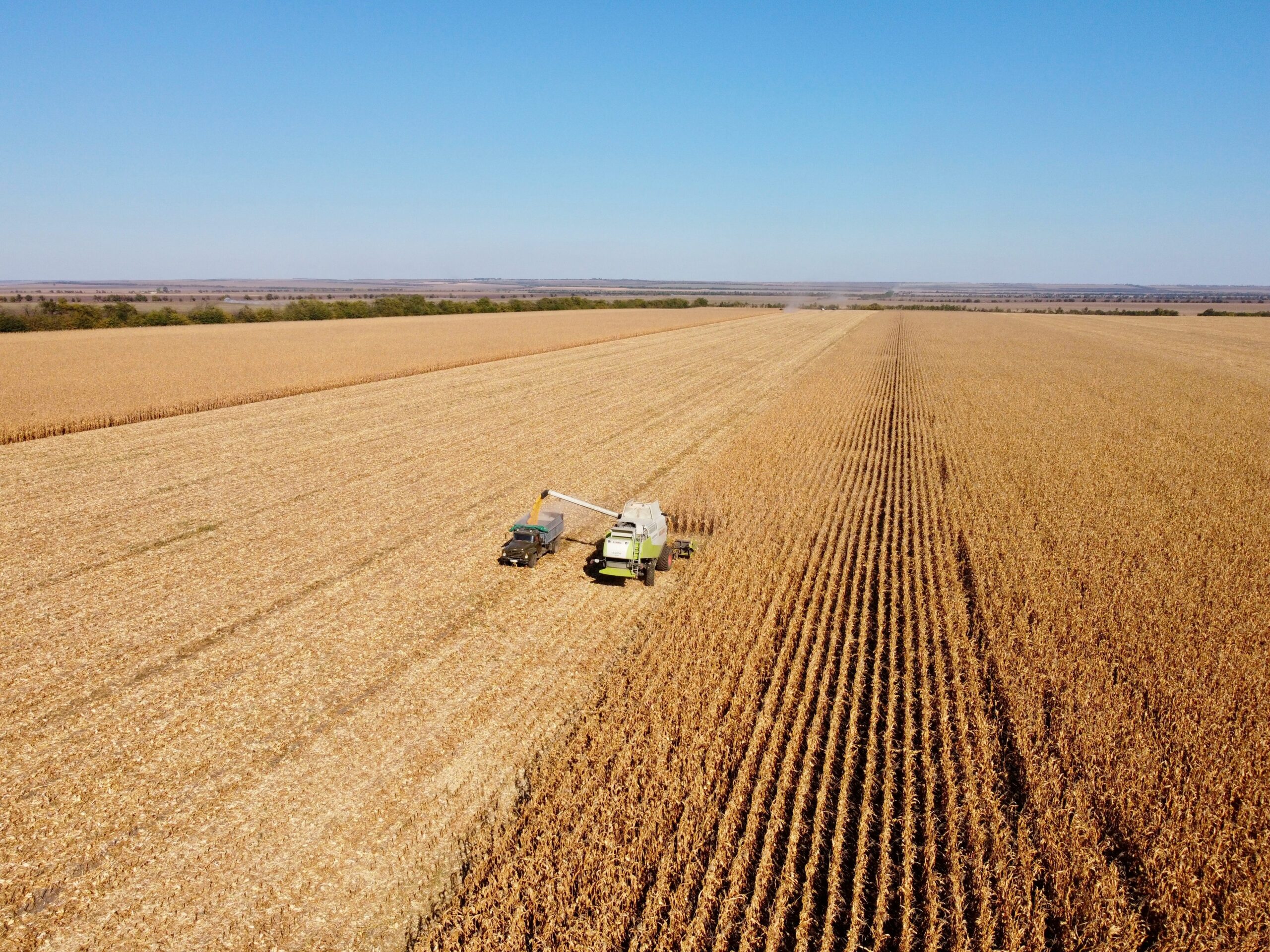
After several difficult seasons shaped by drought and economic pressure, many farming regions are enjoying a welcome recovery. Good summer rainfall across major grain areas has supported promising maize and soybean crops, while horticulture and citrus remain strong performers in export markets. Rising sales of tractors and farm equipment show that producers are once again willing to invest and plan for the future.
Agricultural exports continue to be one of South Africa’s most reliable economic pillars. Fruit, wine, wool and grains are finding buyers in Europe, Asia and across the African continent. The renewal of key trade agreements has strengthened confidence that local produce will remain competitive. For both commercial and emerging farmers, access to these markets is essential for long-term growth.
Climate Remains an Uncertain Partner
The same rains that have filled dams have also highlighted the country’s vulnerability to extreme weather. Intense downpours in several provinces have caused flooding, soil erosion and damage to rural infrastructure. Washed-away roads and strained irrigation systems have disrupted the movement of inputs and produce.
Farmers increasingly recognise that predictable seasons are becoming rare. Decisions about planting dates, cultivar selection and stocking rates are now guided by climate forecasts and risk planning. Many producers are adopting conservation agriculture, improved drainage systems and water-saving technologies to prepare for both droughts and heavy rainfall. Adaptation has become a basic requirement of modern farming.
Biosecurity at the Centre of Production
Animal health continues to shape the agricultural landscape in 2026. Outbreaks of foot and mouth disease, African swine fever and poultry illnesses remain serious threats. These diseases reduce production and can close export markets with immediate effect. For small-scale farmers, a single outbreak can destroy years of effort.
Government and industry are responding with tighter movement controls, vaccination drives and stronger farm-level biosecurity measures. Success, however, depends on cooperation across the value chain, including communal farmers, feed suppliers, transporters and abattoirs. Protecting animal health has become as important as protecting crops and grazing.
Challenges Beyond the Farm Gate
Farming takes place within a wider social environment, and many producers continue to face difficulties unrelated to rainfall or markets. Stock theft, vandalism and general rural crime weaken confidence and increase production costs. Farmworkers and their families still struggle with uneven access to services, transport and safe living conditions.
Land reform and transformation remain central to the national conversation. Experience has shown that new farmers need more than land alone. Mentorship, finance, infrastructure and reliable market access are equally important. Where these elements come together, emerging farmers are proving that they can contribute strongly to food security and rural development.
Innovation Begins to Change the Landscape
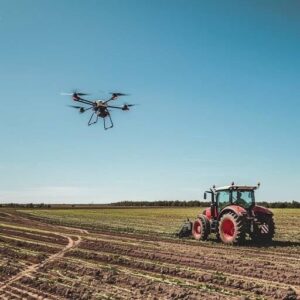
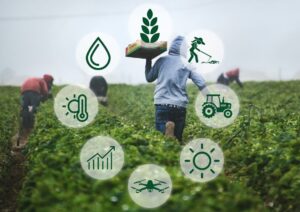
One of the most positive developments of 2026 is the steady arrival of technology on farms of all sizes. Cellphone-based advisory platforms, digital record keeping, drones and precision fertiliser application are no longer limited to large commercial operations. These tools are slowly reaching smaller producers and improving decision making.
Government efforts to introduce digital systems for pesticide registration and farmer support are encouraging steps forward. Young people are finding opportunities as data collectors, technicians and agripreneurs. Agriculture is gradually shifting from an ageing industry to a modern, knowledge-driven sector.
The Road Ahead
The story of South African agriculture this year is mixed but hopeful. Bumper harvests exist alongside damaged roads, new investments alongside old uncertainties, and expanding markets alongside persistent social challenges. What remains constant is the determination of farmers to keep producing despite the odds.
To unlock the full potential of the sector, collaboration is essential. Rural infrastructure must be repaired, biosecurity systems strengthened and practical support provided to emerging farmers. Policies need to translate into real action on the ground. Equally important is listening to those who work the land every day, because their experience often carries the most practical solutions.
Agriculture has always required a balance between risk and reward. If South Africa can build on current momentum while confronting its weaknesses honestly, 2026 could mark a true turning point, a year when harvests, hazards and hope begin to move in the same direction.
Join the conversation:
What challenges and successes are you seeing in your farming community this season? Share your experience with AgriFlourish as we continue to learn from one another and grow South African agriculture together.