
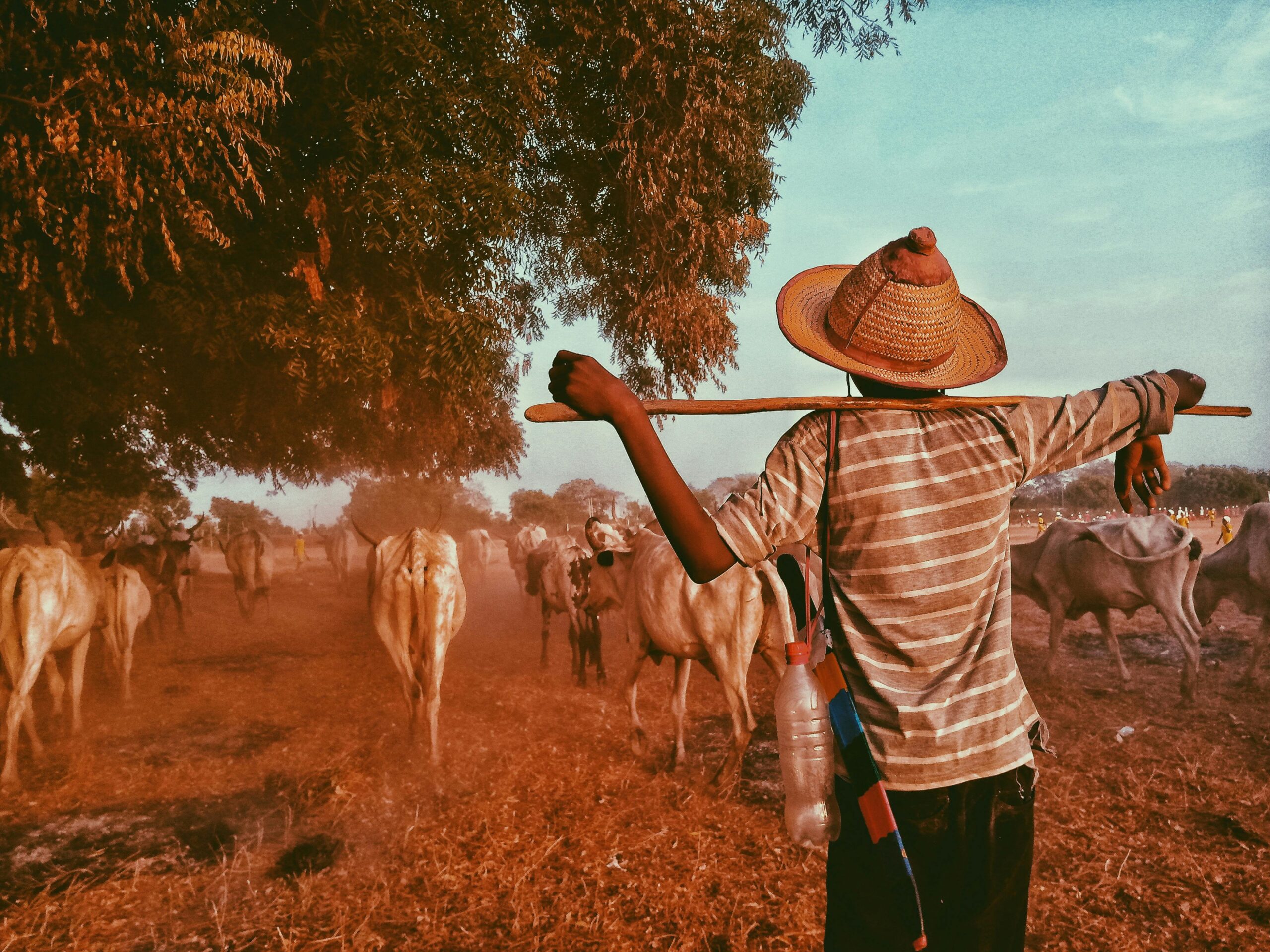
Smallholder farms are often described as the heartbeat of South Africa’s food system. From the maize fields of the Free State to the sheep and cattle herds of the Eastern Cape, these farmers play a vital role in food security and rural livelihoods. Yet, behind their resilience lies a reality that is often overlooked: daily struggles that threaten their long-term sustainability.
You might ask, “But are these struggles really hidden? Don’t we all know about them?” The truth is, while droughts and livestock losses sometimes make headlines, much of the hardship remains invisible to the wider public. These struggles are hidden not because they don’t exist, but because they are lived quietly in villages, in moments of loss, and in the silence of farmers who keep going against the odds.
When I worked as an Assistant Agricultural Practitioner, I witnessed these challenges first-hand. I met a farmer who had lost two goats to tick-borne disease he simply didn’t know that regular dipping could have prevented it. In another village, cattle grazed on bare, exhausted land because farmers hadn’t been taught about rotational grazing. A young farmer once admitted he wasn’t sure when or how it should be done.
These moments revealed something important: smallholder farmers are hardworking and dedicated, but too often they lack access to the modern knowledge and tools they need to thrive.
Walking the Financial Tightrope
For many smallholders, access to finance is one of the steepest hurdles. Banks demand collateral, but most farmers operate without formal land titles. Government grants and programmes exist, but the applications are complex and often favour larger producers.
As a result, many smallholders rely on costly informal loans or sell livestock prematurely just to afford seed, feed, or fertiliser. This creates a cycle of survival instead of growth.
Climate Change and Environmental Stress
Droughts, heatwaves, and unpredictable rainfall are no longer rare,they are the new normal. Crop farmers watch helplessly as their fields dry up, while livestock farmers face shrinking grazing land.
Without irrigation systems, water storage, or drought-resistant feed, smallholder farmers remain dangerously vulnerable to these shocks.
Livestock Health and Disease Burdens
For livestock farmers, animal health is a constant battle. Diseases like foot-and-mouth, lumpy skin, and parasites can wipe out years of effort. Sheep and goat farmers struggle with worms and coccidiosis, while poultry farmers risk losing entire flocks to Newcastle disease.
The high cost of veterinary services and vaccines means many farmers are forced to face outbreaks alone, often with devastating consequences.
Market Barriers and Post-Harvest Losses
Even when farmers succeed in producing crops or livestock, getting products to market is another challenge.
- Up to 30-40% of fresh produce is lost after harvest due to poor storage and transport.
- Livestock farmers often accept low prices from middlemen, while the cost of transporting animals to auctions or abattoirs cuts deep into their profits.
The result is that smallholders are caught between high production costs and low selling prices.
Land and Grazing Rights
Secure land ownership remains out of reach for many. Without formal titles, farmers cannot invest in infrastructure like irrigation systems, dip tanks, or grazing camps. For women farmers, the barriers are even higher, with cultural and social limitations restricting access to land and livestock ownership.
The Digital Divide
Digital agriculture is often praised as the future apps that offer weather updates, market prices, or veterinary advice. But in rural South Africa, many farmers lack reliable internet, electricity, or smartphones. Instead of bridging gaps, these innovations often deepen them, leaving smallholders excluded from the very tools meant to help them.
The Human Cost
Beyond the visible challenges lies an emotional weight. Farming under constant uncertainty whether about weather, markets, or disease creates stress and anxiety. For many young people in rural areas, farming no longer looks like a promising future, and generational succession is slowly declining.
Looking Ahead
The struggles of South Africa’s smallholder farmers are complex, but are solvable. Practical solutions exist:
- Financing tailored to farming cycles
- Affordable veterinary and extension support
- Secure land rights
- Investment in rural infrastructure
- Accessible digital tools
Smallholder farmers are more than food producers, they are the guardians of rural communities and national food security. Recognising and addressing their challenges is not an act of charity; it is an investment in South Africa’s future.
At Agri-Flourish, we believe that sharing these stories is the first step toward change. By amplifying the voices of smallholder farmers, we can create awareness, push for better policies, and inspire the next generation of agricultural leaders.
To the young people watching from the sidelines: farming may seem tough, but it is also a space of resilience, innovation, and opportunity. Don’t be afraid to start. If smallholder farmers can keep going against all odds, imagine what you can do with courage and fresh ideas.
Excellent insights thank You.
Affordable Insurance has a role to play.
absolutely, Rodger I couldn’t agree more. It is also important that insurance is quick to respond to matters, because farming challenges are often sudden and need immediate attention. Without that timely support, even affordable insurance can fall short of its purpose.