A Strategic Approach to Dry Season Livestock Management
Strengthening livestock resilience before the dry season is one of the most important priorities in livestock farming in South Africa. As March marks the transition from the rainy season to cooler and drier months, farmers must begin proactive dry season livestock management to protect herd productivity and farm sustainability. Waiting until pasture is completely depleted often results in weight loss, reduced fertility, poor milk production, and increased feeding costs. Early preparation is the key to long-term success.
Climate variability has made seasonal patterns less predictable, making livestock resilience strategies more important than ever. Resilience in livestock production refers to the ability of animals and farming systems to withstand nutritional stress, water shortages, disease pressure, and fluctuating environmental conditions. Building this resilience starts well before the dry season begins.
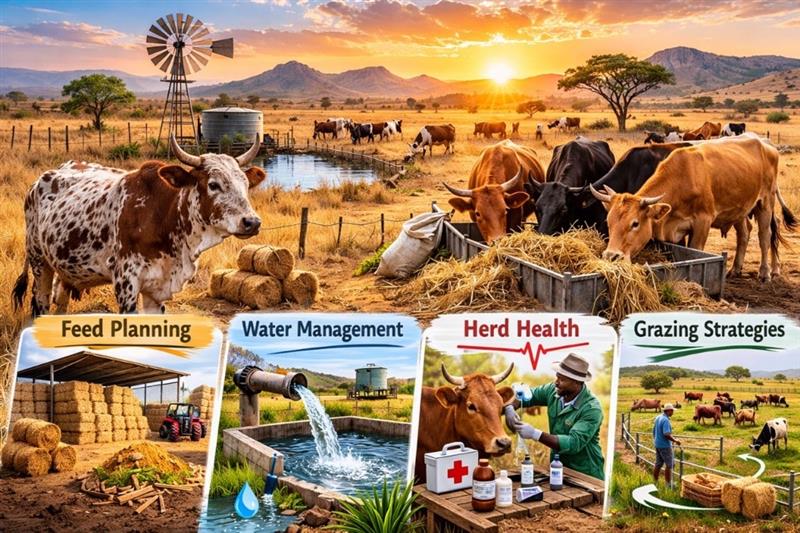
A major pillar of strengthening livestock resilience before the dry season is strategic livestock feed planning. As rainfall declines, pasture quality gradually deteriorates in protein and energy value, even if grazing still appears sufficient. Without proper pasture management, animals may begin losing body condition long before farmers notice visible shortages. Managing stocking rates, protecting grazing areas, and introducing rotational grazing systems are critical herd management strategies that preserve veld condition and sustain productivity.
Another essential component of dry season preparation for farmers is feed security. Developing fodder banks, conserving hay, and utilizing crop residues for livestock feed can significantly reduce the risk of shortages. Early procurement of supplementary feed also prevents financial strain caused by emergency purchases during peak demand. These practical steps support sustainable livestock production and improve farm stability.
Water availability is equally important in dry season livestock management. Reduced rainfall affects dam levels and borehole reliability, increasing the risk of dehydration and heat stress. Proper planning ensures animals have consistent access to clean water, which directly supports feed utilization, digestion, and overall livestock productivity. Strengthening resilience therefore requires an integrated approach that combines feed planning, water management, and animal health strategies.
Health management must not be overlooked when discussing livestock resilience strategies. Animals under nutritional stress are more vulnerable to parasites and disease. Strategic vaccination programs, parasite control, and regular body condition scoring help maintain performance during challenging months. These preventive measures form part of climate-smart livestock farming, which focuses on reducing risk while maintaining output.
This theme, Strengthening Livestock Resilience Before the Dry Season, will guide this month’s blog series. The upcoming articles will explore practical and affordable strategies for improving feed planning, protecting grazing systems, managing water resources, and strengthening herd health. Together, these approaches empower farmers to move from reactive crisis management to proactive risk reduction.
In livestock production, preparation determines performance. By prioritizing strengthening livestock resilience before the dry season, farmers can safeguard their herds, stabilize income, and build sustainable agricultural systems for the future.