Preparing Livestock Nutrition Management for the Months Ahead
As the rainy season gradually comes to an end, livestock farmers must begin preparing for one of the most challenging periods in animal production, the dry season. During this time, natural grazing conditions deteriorate, pasture quality declines, and animals often struggle to obtain sufficient nutrients from veld alone. Without proper planning, this seasonal change can lead to weight loss, poor reproductive performance, and reduced productivity.
Under the March theme “Strengthening Livestock Resilience Before the Dry Season,” livestock feed planning becomes a critical pillar of livestock nutrition management. Strategic preparation ensures that animals maintain good body condition, remain productive, and withstand the nutritional stress commonly associated with the dry months.
Why Livestock Feed Planning Is Essential
Natural grazing lands provide abundant forage during the rainy season. However, as temperatures drop and rainfall decreases, grass matures and loses its nutritional value. Protein and energy levels decline significantly, making it difficult for livestock to meet their dietary requirements.
- Livestock that enter the dry season without proper dry season livestock feeding strategies may experience:
- Weight loss
- Reduced milk production
- Weak immune systems
- Poor fertility rates
- Increased vulnerability to disease
Proactive livestock feed planning helps farmers avoid these challenges by ensuring that alternative feed resources are available before shortages occur.
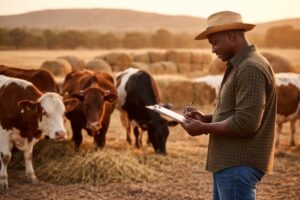
Assessing Grazing Conditions Early for Better Grazing Management for Cattle
The first step in effective livestock feed strategies is evaluating the condition of available grazing land. Farmers should observe:
- Grass height and density
- Signs of overgrazing
- Changes in pasture colour and maturity
- Availability of water sources
Early assessment helps farmers determine whether the veld can sustain the herd throughout the dry season or whether livestock supplementary feeding will be required.
Managing stocking rates is also essential. Overstocking places pressure on grazing lands and accelerates pasture degradation, making feed shortages more severe. Effective livestock grazing management in South Africa ensures sustainable pasture use and long-term livestock productivity.
Fodder Conservation for Livestock Strategies
Conserving feed while it is still abundant is one of the most effective ways to prepare for the dry season. Fodder conservation for livestock ensures that animals have sufficient feed when grazing resources become limited.
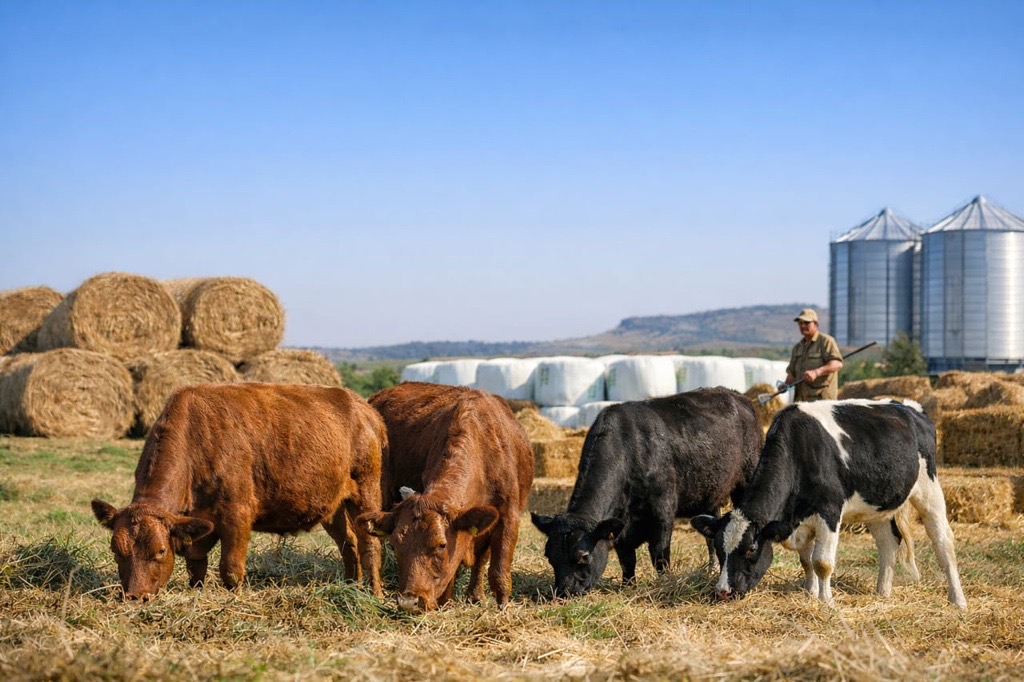
- Hay Making for Livestock. Hay making for livestock involves cutting grass while it is still green and nutritious, drying it, and storing it for later use. Properly stored hay provides valuable roughage when grazing becomes scarce.
- Silage Production for Farmers. Silage production for farmers is another effective fodder conservation method. Silage is produced by fermenting green forage such as maize, sorghum, or grasses in airtight conditions. This method preserves the nutritional value of feed and provides high-energy forage during dry months.
- Crop residues from crops such as maize or sorghum can also be used as supplementary livestock feed. These fodder conservation strategies for smallholder farmers help maintain consistent feed availability even when natural grazing is limited.
Livestock Supplementary Feeding
While conserved fodder provides roughage, livestock often require additional nutrients during the dry season. Livestock supplementary feeding ensures animals receive adequate protein, minerals, and energy.
Common supplements include:
- Protein blocks or licks
- Mineral supplements
- Energy concentrates such as maize meal
- Commercial livestock feed mixtures
Providing the correct supplements improves digestion of dry grasses and supports livestock body condition management during the dry months.
Water Availability
Feed planning must always go hand in hand with water management. Livestock require sufficient clean water to digest feed and maintain normal body functions.
Farmers should regularly check:
- Water troughs and tanks
- Boreholes and pumps
- Dams and natural water sources
Ensuring reliable water supply becomes even more important as temperatures remain high and natural sources begin to dry up.
The Role of Extension Services
Agricultural extension services play a critical role in strengthening farmers’ capacity to implement effective livestock feed strategies, improve livestock drought preparedness, and adopt sustainable livestock production practices.
Through technical guidance, training, and field demonstrations, extension practitioners assist farmers in adopting improved livestock nutrition planning before winter, fodder conservation practices, and sustainable grazing management systems.
Extension support also helps farmers anticipate feed shortages and develop practical feed plans that ensure livestock maintain adequate body condition even when veld quality begins to decline.
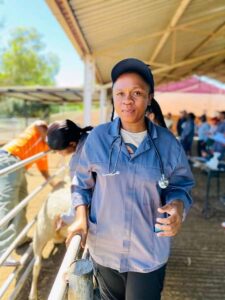
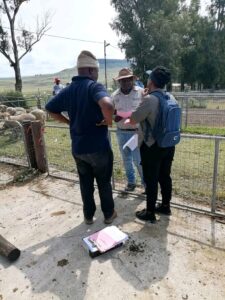
From a professional perspective, these services are implemented through close collaboration between extension officers and farming communities. During my previous employment with the Department of Agriculture, Land Reform and Rural Development, I had the opportunity to contribute directly to these initiatives. Working alongside a Senior Agricultural Advisor, I rendered extension support services to farmers in my role as an Assistant Agricultural Practitioner.
Our responsibilities included conducting farm visits, providing technical advisory support on livestock nutrition and grazing management, assisting farmers with livestock drought preparedness strategies, and facilitating knowledge-sharing sessions aimed at improving livestock management practices.
Conclusion
As the dry season approaches, livestock feed planning and fodder conservation for livestock become central concerns for farmers. Conserving fodder, assessing grazing conditions, and introducing appropriate supplements are essential steps in maintaining herd health and productivity.
Under the March theme “Strengthening Livestock Resilience Before the Dry Season,” effective dry season livestock feeding strategies ensure that livestock remain strong and productive despite seasonal changes.
Farmers who prepare today through proper livestock nutrition management, fodder conservation, and improved grazing management for cattle will be better positioned to protect their animals and secure their livelihoods in the months ahead.