As South Africa heads into the 2026/27 summer season, farmers are once again being urged to prepare for the impacts of El Niño. While the phenomenon is a natural part of the global climate cycle, its effects on agriculture can be significant, making preparation essential for protecting crops, livestock, and farm profitability.
Understanding El Niño
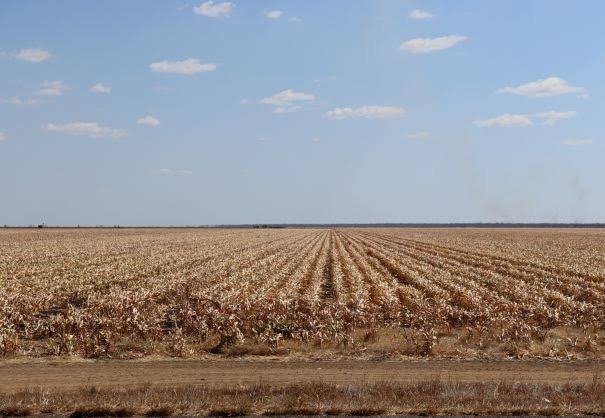
El Niño is a climate pattern that affects weather systems around the world. In South Africa, it is typically associated with below-normal rainfall, higher temperatures, and an increased risk of drought conditions during the summer rainfall season. According to the South African Weather Service and the Department of Agriculture, El Niño conditions are expected to persist through the 2026/27 summer season, with many regions likely to experience drier-than-normal conditions.
For farmers, this can translate into reduced soil moisture, heat stress on crops and livestock, water shortages, and increased pressure from pests and diseases.
Why Farmers Should Take El Niño Seriously
Agriculture is heavily dependent on weather conditions, and even small changes in rainfall patterns can have major consequences.
Potential impacts include:
- Reduced crop yields due to moisture stress.
- Increased irrigation demands and higher water costs.
- Poor grazing conditions for livestock.
- Heat stress affecting animal productivity and fertility.
- Greater risk of pest and disease outbreaks under hot, dry conditions.
- Water restrictions that could impact irrigation-dependent operations.
The challenge is not simply the lack of rainfall, but the uncertainty it introduces into planning and decision-making.
Crop Farmers: Focus on Water Conservation
Water management should be the top priority for crop producers heading into an El Niño season.
The Department of Agriculture recommends implementing climate-smart agricultural practices that help conserve soil moisture and reduce erosion. Conservation agriculture techniques such as minimum tillage, residue retention, and cover cropping can help soils retain valuable moisture for longer periods.
Farmers should also:
- Avoid unnecessary expansion of hectares under production.
- Select drought-tolerant and heat-resistant cultivars.
- Stay within recommended planting windows.
- Prioritise efficient irrigation methods such as drip irrigation where possible.
- Monitor soil moisture regularly to optimise irrigation scheduling.
Planning early can significantly reduce the impact of adverse weather conditions later in the season.
Livestock Farmers: Protect Your Herd
Livestock producers face a different but equally important set of challenges during El Niño years.
Poor grazing conditions and reduced forage availability can lead to increased feed costs and lower animal performance. The Department of Agriculture advises farmers to keep stocking rates aligned with the carrying capacity of available grazing land and veld conditions.
Practical preparation measures include:
- Assessing grazing reserves before summer begins.
- Securing supplementary feed early.
- Repairing water infrastructure and ensuring reliable water supplies.
- Implementing shade and cooling measures where possible.
- Monitoring animal health closely during heatwaves.
Producers who plan ahead are generally better positioned to manage dry periods without compromising herd performance.
Precision Agriculture Can Make a Difference
Modern technology is becoming an increasingly important tool for climate resilience.
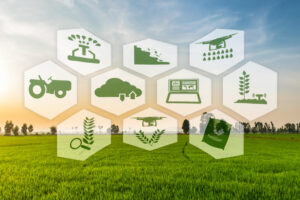
Precision agriculture technologies such as satellite imagery, sensors, farm management software, smart irrigation systems, and agricultural drones are helping farmers monitor crop conditions, detect stress earlier, and optimise the use of water and inputs.
Drone technology, in particular, allows farmers to quickly identify problem areas in fields, assess crop health, and make data-driven decisions before issues become widespread.
In an El Niño season, making the right decision at the right time can have a significant impact on yield and profitability.
Build a Risk Management Mindset
One of the most important lessons from previous drought cycles is that risk management should be a year-round activity, not a response to a crisis.
Farmers should regularly review:
- Cash flow projections.
- Input budgets.
- Crop insurance options.
- Water availability.
- Feed reserves.
- Market opportunities.
Building flexibility into farm operations can help businesses absorb shocks and adapt more effectively to changing conditions.
Turning Challenges into Opportunities
While El Niño presents risks, it also offers an opportunity for farmers to strengthen resilience and improve long-term sustainability.
Many of the practices recommended during dry periods, such as water conservation, precision agriculture, improved soil health management, and strategic planning, can improve farm performance even during favourable seasons.
Those who invest in resilience today will be better equipped to face not only this El Niño event but future climate challenges as well.
Final Thoughts
South African farmers have faced weather extremes before and have consistently demonstrated remarkable resilience. While forecasts suggest that El Niño could bring hotter and drier conditions during the 2026/27 summer season, proactive planning can significantly reduce its impact.
The message is clear: prepare early, conserve water, manage risks carefully, and embrace technologies that improve efficiency. By taking action now, farmers can position themselves to navigate the season with confidence and protect both productivity and profitability.