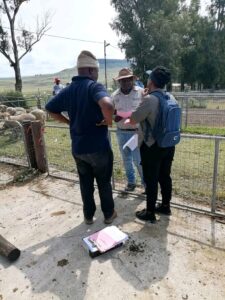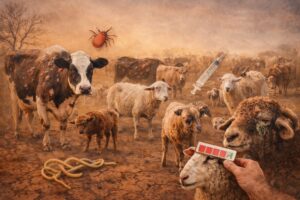
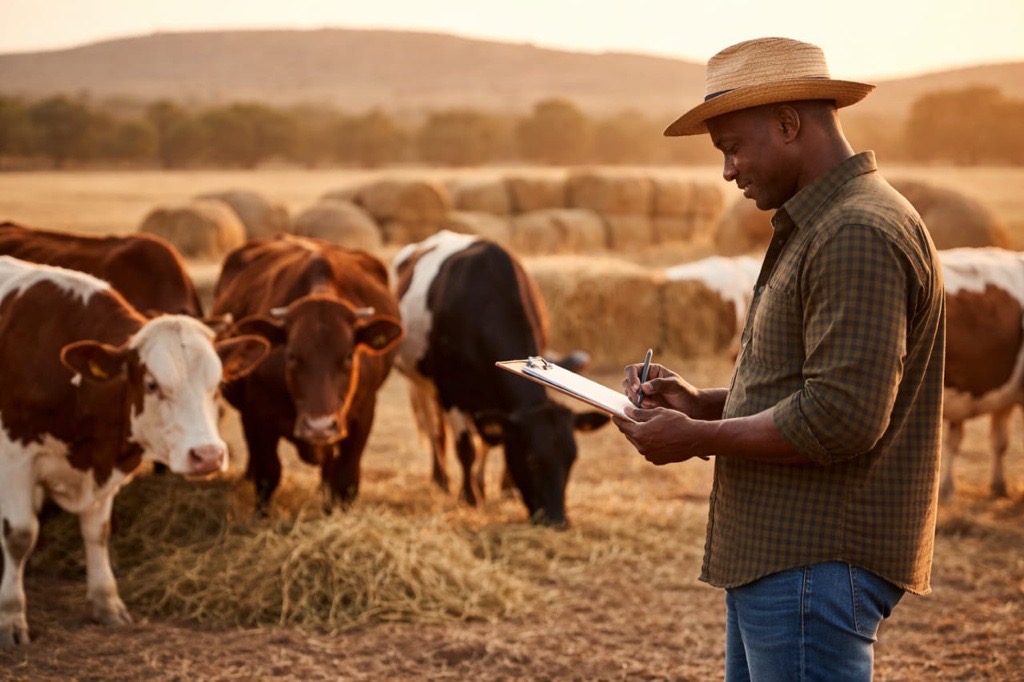
Livestock farming is not only about animal production; it is also a business that depends on careful financial management in agriculture. For many farmers, the dry season livestock management period is where profits can either be protected or lost. Decisions made before and during this time directly influence farm income, livestock productivity, and long-term farm profitability.
Many livestock farmers in South Africa experience financial strain during the dry season because preparation is delayed. When pasture quality declines and water becomes limited, farmers are often forced to make urgent decisions that increase costs. These include purchasing expensive feed, treating sick animals, or selling livestock at lower market prices.
However, farmers who plan ahead and practice climate-smart livestock farming are more likely to maintain stable finances even during challenging conditions.
How Dry Season Management Affects Farm Expenses
One of the biggest financial impacts of the dry season comes from rising livestock production costs. When grazing becomes insufficient, farmers must spend more money to maintain their animals.
The Cost of Poor Dry Season Preparation
Poor dry season farm planning can have serious financial consequences. Financial losses may occur through reduced livestock growth performance, lower market value of cattle, sheep, and goats, increased livestock mortality, reduced milk production, and delayed breeding cycles.
Financial Benefits of Good Livestock Management
Farmers who manage livestock feed planning, grazing systems, water availability, and livestock health management before the dry season often experience better financial outcomes.
Managing Financial Risk in Livestock Farming
Effective livestock risk management helps farmers protect their operations by planning feed availability, protecting grazing land, maintaining strong animal health programs, monitoring herd performance, and practicing farm financial planning.
Long-Term Financial Sustainability in Livestock Farming
Successful livestock farming in South Africa is not only measured by the number of animals a farmer owns but also by how well the farm can remain financially stable over time.
Final Conclusion of the Blog Series
Successful livestock farming businesses depend on preparation, knowledge, and consistent management. As climate conditions continue to change, climate-smart livestock management will become even more important. Applying these strategies helps farmers build resilient and financially sustainable farming systems.