Preparing livestock for the dry season requires more than simply planning for feed and water. Effective livestock health management becomes critically important as environmental conditions begin to change. While declining pasture quality and water availability often receive the most attention, parasites and livestock diseases can quietly undermine productivity if they are not properly managed.
Animals that enter the dry season with heavy parasite burdens or untreated infections are far more vulnerable to stress, weight loss, reduced fertility, and poor growth performance. For this reason, proactive livestock disease prevention and parasite control are essential components of sustainable livestock farming.
Strategic animal health management helps farmers protect herd productivity, reduce economic losses, and maintain resilient livestock systems even during challenging seasons.
Why Parasite Control is Essential Before the Dry Season
Internal and external parasites tend to thrive during and shortly after the rainy season. Moist environmental conditions provide an ideal breeding environment for worms, ticks, and other parasites that affect livestock.
Without proper parasite control in cattle and small ruminants, animals become weakened just as pasture quality begins to decline. This combination of nutritional stress and parasite infestation can significantly reduce livestock productivity.
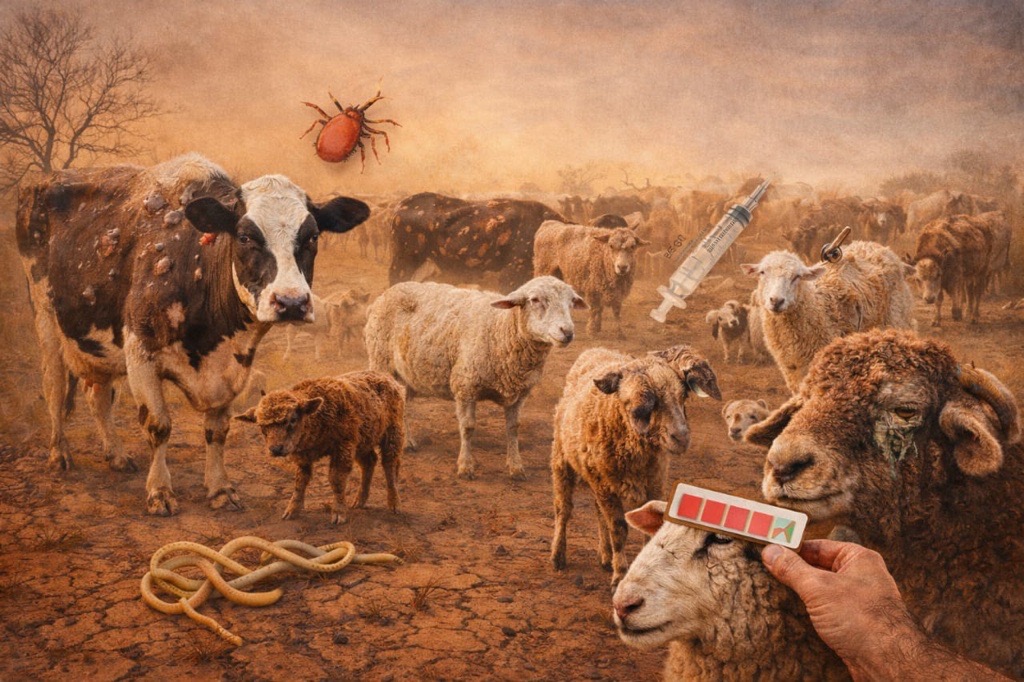
Common parasites affecting livestock include:
- Internal parasites (worms) that reduce feed efficiency and cause weight loss
- Ticks, which transmit diseases such as redwater and tick-borne fever
- Lice and mites, which cause irritation, stress, and reduced growth performance
These parasites can negatively affect milk production, reproductive performance, and overall animal health. Implementing effective tick control in cattle and strategic deworming programs before the dry season allows animals to maintain better body condition during periods of limited nutrition.
Strategic Deworming and Parasite Management
Successful parasite management requires a planned and strategic approach. Deworming livestock should not be done randomly, as incorrect or excessive treatment can lead to parasite resistance.
Farmers should work with veterinarians or animal health technicians to develop an appropriate livestock parasite control strategy based on local conditions.
Important livestock health practices include:
- Conducting strategic deworming at the end of the rainy season
- Rotating grazing camps to reduce parasite buildup on pasture
- Avoiding overstocking, which increases parasite transmission
- • Monitoring animals regularly for signs of infestation
These management strategies help reduce disease risk while improving livestock productivity and overall herd health.
Disease Prevention Through Vaccination
Vaccination plays a crucial role in protecting animals against infectious diseases. Implementing proper livestock vaccination programs helps strengthen animal immunity before the dry season begins.
Important diseases that farmers should vaccinate against include:
- Lumpy Skin Disease in cattle
- Black Quarter (BQ)
- Anthrax
- Brucellosis
- Enterotoxaemia in sheep and goats
Preventive vaccination programs are one of the most effective ways to reduce the risk of disease outbreaks and maintain livestock productivity.
Nutrition and Immunity: The Hidden Connection
Nutrition plays an important role in livestock health and disease resistance. Animals that receive adequate nutrition develop stronger immune systems and are better able to resist parasites and diseases.
As pasture quality declines toward the dry season, farmers should consider:
- Providing protein supplements or mineral licks
- Ensuring livestock have access to clean drinking water
- Maintaining good grazing management practices
These strategies support climate-smart livestock farming and help animals maintain body condition during the dry season.
Early Detection Saves Livestock
Early detection is one of the most powerful tools in livestock disease prevention. Farmers should observe their animals frequently and watch for warning signs such as:
- Sudden weight loss
- Loss of appetite
- Fever or weakness
- Swelling or abnormal discharge
- Changes in behavior or movement
One of the most practical monitoring tools used by farmers is the FAMACHA system.
The FAMACHA system helps detect anemia caused by internal parasites, particularly the barber pole worm that commonly affects sheep and goats.
This system was introduced during my university training as a practical method for observing animal health conditions in the field. It allows farmers and livestock managers to assess parasite-related anemia by examining the color of the lower eyelid and comparing it with a standardized FAMACHA color chart.
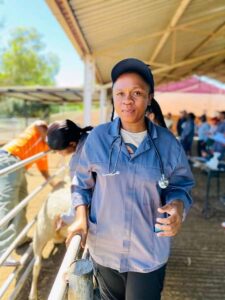
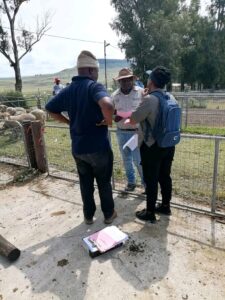
The same system was also applied during my professional experience while working as an Assistant Agricultural Practitioner in the Department of Agriculture. Part of my role involved supporting farmers with practical livestock health management practices and encouraging regular observation of their animals.
By using the FAMACHA system regularly, farmers can identify animals that require treatment and apply targeted deworming rather than treating the entire herd unnecessarily. This improves parasite control while reducing medication costs.
The Importance of Daily Biosecurity in Livestock Farming
Biosecurity is another essential component of livestock disease prevention. Many farmers only focus on biosecurity during disease outbreaks, but effective farm biosecurity practices should be maintained every day.
Daily biosecurity precautions help prevent the introduction and spread of livestock diseases within a herd or flock.
Practical biosecurity measures include:
- Limiting unnecessary visitors to livestock areas
- Disinfecting vehicles and equipment entering the farm
- Isolating newly purchased animals before mixing them with the herd
- Separating sick animals from healthy ones
- Keeping feeding and watering areas clean
Maintaining strict daily biosecurity practices helps eliminate the spread of diseases and keeps animals healthy and productive.
Practical Advice for Farmers Preparing for the Dry Season
Farmers who prepare early for the dry season are better equipped to protect their livestock and maintain productivity. Effective preparation requires a combination of good management practices including parasite control, vaccination programs, proper nutrition, regular animal observation, and strict farm biosecurity.
By implementing these measures before environmental conditions become severe, farmers can reduce health risks, maintain herd productivity, and strengthen the resilience of their livestock production systems.
Preparing livestock for the dry season is not only about feed and water. It also requires proactive livestock health management and daily attention to animal wellbeing.
Healthy animals are resilient animals, and resilient livestock systems are the foundation of sustainable agriculture.